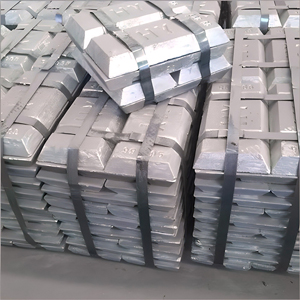
 LONDON, Oct 1 (Reuters): The zinc market has just woken up to the fact that London Metal Exchange inventory is now so depleted it would cover less than a day's worth of global consumption.
LME time-spreads have turned volatile and the cash premium over the three-month price flared out to $60 per metric ton last week, a level last exceeded in 2022.
Everything suggests a market that is in acute supply deficit. Yet, the International Lead and Zinc Study Group estimates a global surplus of 72,000 tons over the first seven months of the year.
The bad news for LME short position holders is that the excess metal appears to be in China. The good news is that a widening arbitrage window with the Shanghai market may facilitate a global rebalance.
LME registered zinc stocks have collapsed from 230,000 tons to 40,850 tons since the beginning of the year. Available tonnage, excluding metal awaiting physical load-out, stands at just 30,625 tons, which is a drop in the 13.5-million-ton global zinc ocean.
The LME off-warrant cupboard is equally bare at 12,087 tons of deliverable metal scattered through the warehouse network.
The zinc market is no stranger to stocks churn, but this time around, much of what has been drawn out of LME warehouses appears to have left the system entirely.
Exports of zinc from Singapore, which has held most of the LME inventory for the last couple of years, have been accelerating since the fourth quarter of 2024.
The pace quickened to over 50,000 tons in August, bringing year-to-date exports to 240,000 tons. The metal has been shipped to a wide range of Asian destinations but the August tally also included 20,000 tons heading for the United States.
Singapore's imports, meanwhile, have dropped to minimal levels, suggesting there is little left even in off-market storage that could be delivered against LME positions.
LME stocks appear to have been drawn down to fill gaps in the Western supply chain caused by a string of smelter problems.
Although global mined zinc production rose by a robust 6.3 per cent year-on-year in the first half of 2025, refined production fell by 2.1 per cent, according to the International Lead and Zinc Study Group.
The group attributed the decline to lower smelter output in Brazil, Kazakhstan and Japan, the latter due to the closure of Toho Zinc's Annaka plant.
There have also been production curtailments at South Korea's Seokpo smelter, Nyrstar's Hobart plant in Australia and Glencore's Italian operations.
Chinese smelters, by contrast, have been ramping up production since the second quarter of the year as treatment charges rise on the back of improved raw materials availability.
© 2026 - All Rights with The Financial Express

