In the serious tapestry of modern global economy, few issues are as pressing and complex as the intertwining of debt sustainability and climate financing demands. For developing nations, particularly those on the frontline of climate change, this issue has become a profound challenge that requires urgent attention and innovative solutions.
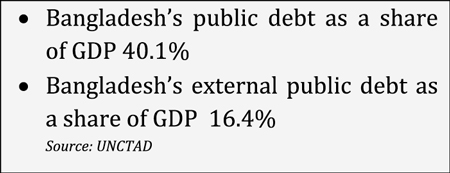 Imagine a country like Bangladesh, which lies vulnerable to the wrath of climate change. The nation faces relentless storms, rising sea levels, and unyielding floods that threaten its very existence. The government understands the need to adapt-constructing barriers against floods, investing in renewable energy, and implementing sustainable farming practices. But these ambitious undertakings come at a large cost. The reality is stark: to combat climate change effectively, Bangladesh and similar countries need a significant influx of funds-a requirement projected to reach several trillion dollars annually by 2030 for developing nations alone.
Yet, as they scramble to secure the necessary financing, a troubling pattern emerges. A significant portion of the funds comes in the form of loans, creating an intricate web that ensnares these nations in a cycle of debt. As governments seek to finance ambitious climate projects, they often turn to multilateral agencies, bilateral partners, or even commercial markets. This decision, while seemingly practical, inevitably leads to an increased debt burden, leaving nations grappling with the consequences.
The repercussions extend beyond mere numbers on a balance sheet. Every time a cyclone strikes or a flood rages through town, the nation's economic infrastructure-roads, bridges, power plants-suffers devastating blows. As the debris settles, the government finds itself compelled to borrow yet again to fund urgent recovery efforts, pushing the debt-to-GDP ratio to alarming levels. The cycle feels endless.
Moreover, in the quest for climate financing, essential sectors such as health and education risk being deprioritised. The desperate search for funds may lead governments to overlook pressing needs, doing a disservice to their citizens. As they juggle immediate climate exigencies and the long-term health of their economies, these nations often find themselves caught between a rock and a hard place.
 Then there's the nature of the financing itself-the harsh terms of loans can further complicate matters. If the debt comes with stringent interest rates and short repayment timelines, it jeopardises the very liquidity that countries need to survive economically. In this precarious environment, the hope for financial returns from adaptation projects is often a mirage, as many initiatives yield benefits slowly over time.
So, what can be done to steer these nations towards a more sustainable path? The answer lies in a multifaceted approach that balances the urgent need for climate financing with the imperative of maintaining debt sustainability.
A significant shift towards grant-based financing is essential. Rather than relying predominantly on loans, a robust increase in grants would allow countries to address climate impacts, particularly in adaptation efforts. This shift would ease the burden of debt and provide a more stable foundation for progress.
International financial institutions and wealthier nations could also play a pivotal role. By offering concessional loans-low-interest, long-term loans-they can help ease the financial pressures on developing countries. Furthermore, the innovative concept of debt-for-climate swaps presents an appealing solution. In this model, if countries invest in environmental conservation projects with certain funds, they could receive debt forgiveness, creating a mutually beneficial partnership.
To further mitigate risks, utilising insurance and various financial instruments for risk transfer could protect economies from the unpredictable threats posed by climate change. The implementation of sound financial management and transparency around climate expenditure will ensure that funds achieve their intended impacts, maximizing the benefits of borrowed resources.
As the world grapples with climate change, the challenges of debt sustainability for vulnerable economies like Bangladesh have never been more urgent. Policymakers must act decisively to advocate for a restructured global financing framework that prioritises grants and accessible funds over loans. The hope is that these adjustments will not only relieve nations from the heavy shackles of debt but also enable them to meet their climate goals effectively.
In this on-going narrative, the balance between debt sustainability and climate financing remains delicate. As we navigate these turbulent
waters, the future of countless lives hangs in the balance, reminding us all of our shared responsibility in addressing the pressing challenges of our time.
Dr Md. Touhidul Alam Khan is Managing Director & CEO of NRBC Bank PLC and first Certified Sustainability Reporting Assurer in Bangladesh. touhid1969@gmail.com
© 2026 - All Rights with The Financial Express

