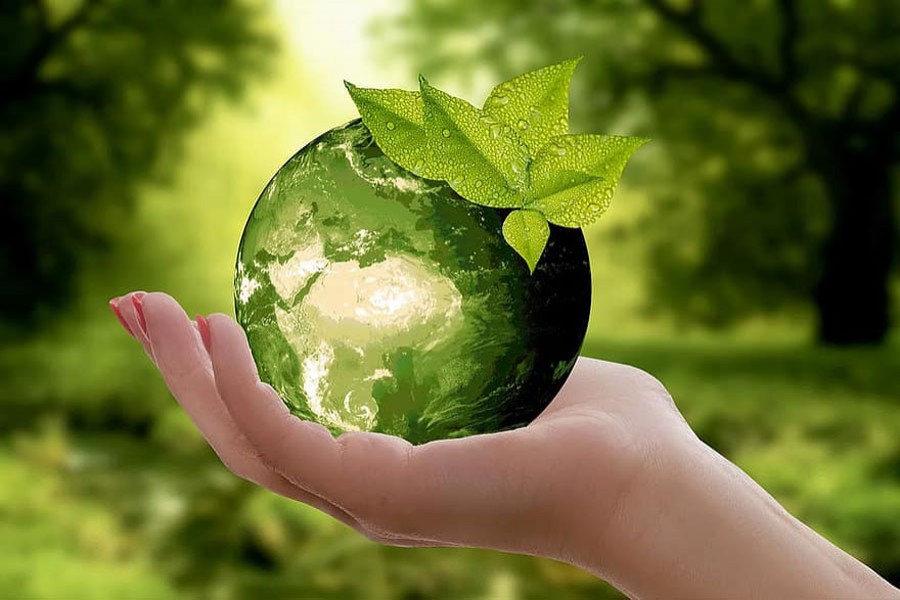
Today, our beloved blue planet is plagued by various crises and is becoming uninhabitable for humans. Since the industrial revolution, the uncontrolled combustion of fossil fuels in developed countries has increased the level of carbon dioxide in the air alarmingly. As a result, the average temperature of the earth is constantly increasing due to the greenhouse effect, which is giving rise to severe heat waves and irregular weather around the world. The melting of the polar ice caps is increasing the sea level and according to scientists, we are on the verge of exceeding the dangerous limit of 1.5 degrees Celsius.
Deforestation due to human greed has further destabilised the balance of the world. Millions of hectares of forest are being cut down every year, causing millions of wild animals and plants to lose their familiar habitat. This direct impact of deforestation is having an impact on the natural rainfall cycle, resulting in extreme droughts and flash floods. This natural disaster is pushing ecosystems around the world to the brink of complete destruction.
The world's oceans and rivers have become a dumping ground for man-made waste. Every day, tons of non-biodegradable plastic materials are being dumped into water bodies, endangering marine biodiversity. Plastic particles or microplastics are now entering the human food chain through marine fish, which has emerged as a deadly silent killer for public health.
Chemical waste from industries and factories and excessive use of pesticides in agriculture are permanently destroying soil fertility. Due to toxic smoke and dust, the air of the world's major cities has become poisonous, making it unbreathable. This three-way pollution of soil, water and air is turning the entire world into a living hell, where it is becoming impossible to live healthily day by day.
BANGLADESH SITUATION: When we look at our motherland Bangladesh, the environmental wound comes to the fore in a more clear and horrific form. The air of the country's major cities, including the capital Dhaka, is repeatedly occupying the top spot in the list of the most polluted air in the world. As a result of unplanned urbanisation, toxic black smoke from brick kilns and carbon emissions from old vehicles, the common man is suffering from complex diseases like lung cancer and respiratory problems. Fresh air to breathe is an absolute luxury in this country today.
The rivers, lifeline of the country, are dying in the lap of death. The waters of the Buriganga, Shitalakshya and Turag rivers have become black and foul-smelling due to toxic chemical waste from factories and untreated sewage. The lack of oxygen in the river is causing aquatic life to die, and people living along the banks of the river are suffering from various long-term health risks, including skin diseases.
Bangladesh's agricultural sector is facing a major existential crisis as saltwater from the sea enters agricultural land in coastal areas. The uncontrolled use of plastic and polythene waste is polluting Bangladesh's environment from within. During the monsoon season, the city's drains and sewers are clogged with plastic waste, creating artificial waterlogging.
Bangladesh's invaluable natural resources, the Sundarbans and the hill forests, are being destroyed by a section of land grabbers. Cutting down forest trees, burning them in brick kilns and hunting wildlife are weakening our natural slopes. As a result, powerful cyclones like Sidr and Aila are now directly hitting localities and causing massive damage to the country's economy and property every year.
To make the world habitable again for future generations from this dark situation, we need to bring about major changes at the global level now. First, we need to reduce the use of fossil fuels and quickly move towards environmentally friendly renewable energy sources like sunlight, wind and green hydrogen. All developed and developing countries must strictly adhere to international agreements to reduce carbon emissions.
Secondly, the production of plastic and single-use plastic products must be curbed globally and the use of environmentally friendly alternative fibres or jute products must be increased. The rate of deforestation must be reduced to zero and extensive tree plantation programs and wildlife conservation must be ensured in every country in the world.
Third, sustainable plans should be adopted to forecast weather and deal with environmental disasters using artificial intelligence or AI technology. The necessary financial and technological support for adaptation should be provided to vulnerable countries by forming a climate fund through international cooperation. Every citizen of the world should be aware and responsible at the individual level in protecting the environment.
If Bangladesh is to be made a safe and green habitat for our children, there is no alternative to taking coordinated and strict steps. To prevent air pollution in the country, the illegal brick kilns around the city should be closed forever and eco-friendly electric technology should be introduced in all types of public transport. It is very important to ensure the modernization of black smoke emitting machines in factories and increase the green belt.
It is necessary to completely ban the dumping of waste in all rivers of the country and ensure the mandatory use of effective 'waste treatment plants' or ETPs in every industry and factory. River encroachers should be brought under strict laws and punished, and the navigability and normal flow of rivers should be restored through regular dredging. Keeping the country's water sources free from pollution is one of the main conditions for our survival.
The use of plastic and polythene bags should be strictly banned and state sponsorship should be increased in the commercial production and marketing of golden jute bags. Modern 'recycling' or regeneration methods should be introduced in waste management so that no waste falls in open spaces or water bodies.
To combat the harmful effects of climate change, mangrove or salinity-tolerant forest walls should be created on a large scale in coastal areas. Climate-tolerant and low-water agricultural systems and modern technologies for retaining rainwater should be spread for drought and flood-prone areas.
The importance of environmental education should be mandatorily included in the country's textbooks to instil a love for nature in the minds of the new generation.
GLOBAL ACTION: The historical foundation of the global fight for environmental awareness was laid by the United Nations Conference on the Human Environment held in Stockholm, Sweden in 1972. To commemorate the first day of that conference, the United Nations declared June 5 as 'World Environment Day' in 1973 and it has been celebrated regularly since 1974. The main significance of this day is to remind people from all walks of life of their responsibility towards nature.
Azerbaijan has been selected as the host country of the current 2026 World Environment Day and its main events are being held in the capital Baku. The main theme of the 2026 International Environment Day has been set: "Inspired by nature. For the climate. For our future." This timely theme reminds us that nature is our only refuge in this extreme climate crisis.
Dr Md Anwar Hossain, essayist, writer, President of the International Anti Drug Organisation- Freedom International Anti-Alcohol.
eddanwar@gmail.com
© 2026 - All Rights with The Financial Express

