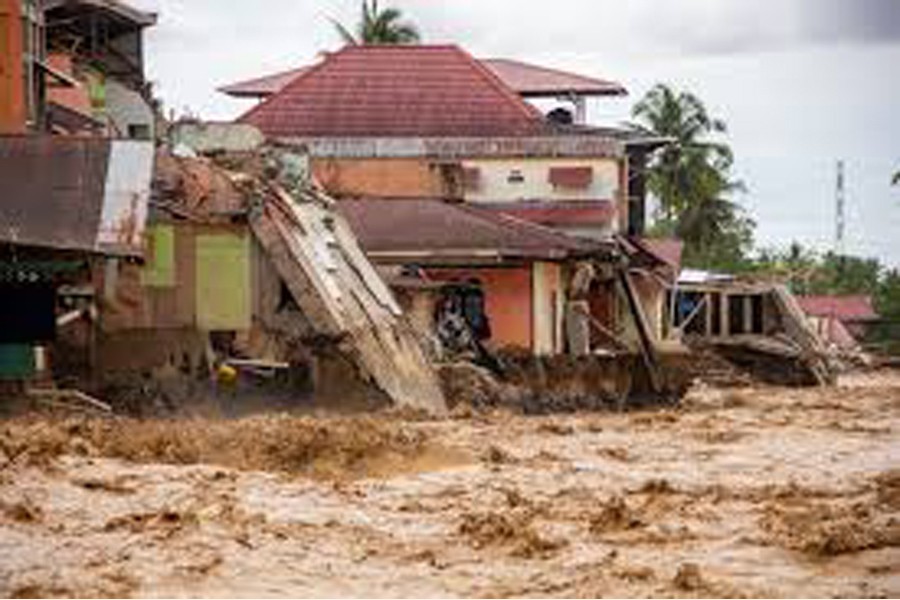
NORTH ACEH, Dec 05 (Reuters): For fisherman Effendi Basyaruddin, the deadly floods and landslides in Indonesia's Aceh province over the past week have triggered traumatic memories of the day 21 years ago when he ran for his life as the ocean rose like a cliff face and smashed through his hometown.
Nearly 200,000 people died in Aceh alone after a 9.1-magnitude quake off the northern province triggered the catastrophic Indian Ocean tsunami on December 26, 2004.
"I saw the highest wave during the tsunami, about 20 metres high," Effendi told Reuters. "But the flooding was greater ... villages became a river."
Those memories have been revived for the 64-year-old after cyclone-induced floods and landslides bore down on three provinces on Sumatra island. More than 800 people have died in Indonesia as a result, including more than 200 in Aceh, and the storm systems have also killed about 200 people in Thailand and Malaysia.
"We were very traumatised," said Effendi, whose house was swept away. He is now living in a tent near the ocean, which he sees as both a friend and a foe.
Effendi is not alone in his suffering and problems reaching isolated villages and getting aid to those in need have added to residents' pain.
"Aceh right now is like experiencing a second tsunami," a tearful Governor Muzakir Manaf said.
With whirring excavators and people rummaging through pools of mud and ruins where their homes once stood in Aceh Tamiang, 45-year-old Adi Hermawan said people need clean water and food.
Meanwhile, November to January are usually the busiest season for Herath Gedara Rohan Anil Kumara's three-bedroom homestay in Sri Lanka's hill country, famed for its tea plantations, historic sites and quaint villages.
But after Cyclone Ditwah tore through the island last week, killing nearly 500 people, Kumara now finds himself in a relief centre, uncertain when he can rebuild his business.
His now-damaged house used to earn him more than $30 a night, enough to support his family, but the 37-year-old has been forced to cancel all bookings for December and January.
"I'm still getting inquiries, but we can't accept them," Kumara said from the Kithulbedda relief centre, where he moved
with his family of six last Friday. "I don't know when we will be able to rebuild and return to normal."
© 2026 - All Rights with The Financial Express

