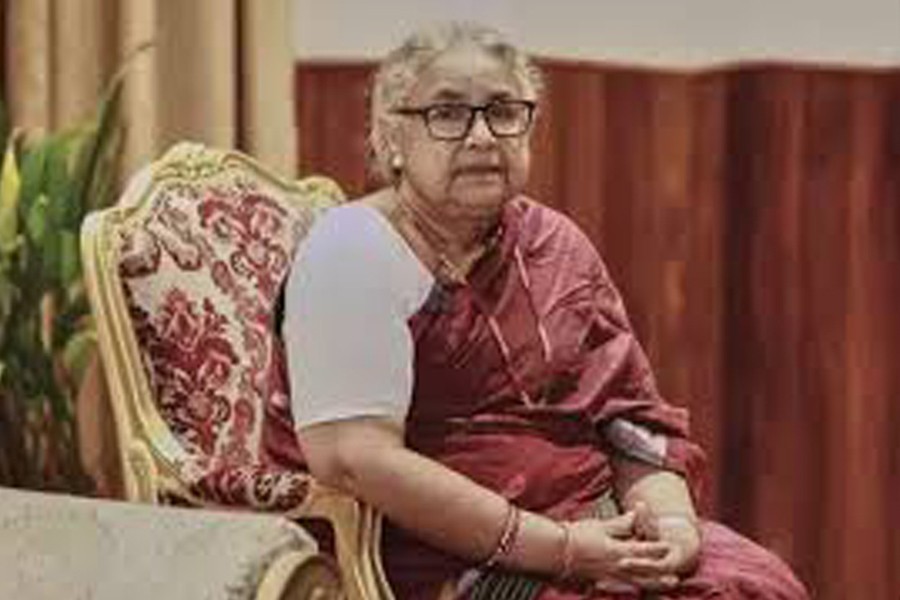
 Sushila Karki
 KATHMANDU, Sept 26 (AFP): After Nepal's deadliest unrest in decades, caretaker Prime Minister Sushila Karki is working to forge her cabinet, restore order and prepare for elections within six months.
Karki, a 73-year-old former chief justice, faces the challenge of balancing her limited mandate with public pressure for reforms, especially on corruption and accountability.
Youth-led protests that began on September 8 over a brief social media ban, economic hardship and corruption quickly morphed into nationwide fury after a deadly crackdown.
Two days of violence left at least 73 people dead, with parliament and government buildings set ablaze-ultimately toppling the previous government.
Parliament was dissolved shortly after, and elections are set to be held in March next year.
Karki, who has named seven ministers so far, faces multiple challenges ahead.
The interim government's core task is to hold credible polls on March 5, 2026.
Narayan Prasad Bhattarai, spokesman for the Election Commission told AFP there "might be challenges", but insisted "six months is enough time".
Deep public distrust in Nepal's established parties and a changed political landscape will complicate the task.
"The 2026 elections will have huge stakes and bring with them the threat of political violence," wrote Ashish Pradhan of the International Crisis Group.
Pradhan told AFP that if the election timetable slips, people could feel "they have no recourse but to take to the streets again". Youth anger over corruption fuelled the protests, with viral videos contrasting their hardship with the wealth of the ruling elite.
Nepal ranks 107 out of 180 on Transparency International's corruption perceptions index.
© 2026 - All Rights with The Financial Express

