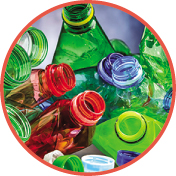
 In spite of periodic reminders of the consequences of reckless use of plastic products, the menace continues to haunt people in every part of the globe. Seminars, symposiums, workshops etc on the use of plastic items continue to be held round the year. All these events coupled with the activists' campaigns reach a peak on June 5 every year. The day marks the World Environment Day. This year was no exception. Bangladesh is among the countries which observe the World Environment Day. Its slogan for 2023 is 'Solutions to Plastic Pollution'.
Viewed from a global perspective, it has lately been found that each year 11 million tonnes of plastic waste flows into the world's oceans; and this volume is expected to triple by 2040. As a consequence of the oceans' pollution, more than 800 marine and coastal species are affected by environmental pollution. In the context of Bangladesh, awareness of the day is linked to the messages of biodiversity loss, water pollution caused by dumping of plastic products, chiefly polythene bags, into rivers and canals, and, finally, climate change. It's also true that a large number of the general people around the world are not aware of the fact that plastic is non-biodegradable. It means it never disappears from soil, water or air. It's interesting to note that objects made of recycled plastic products are nowadays in wide use in many developed countries. True, the use of recycled plastic products keeps soil and water free of pollution. But it has yet to be proved that these products finally turn biodegradable in the repeated processes of recycling. To many curious people, the whole thing remains a quandary.
Could it ever be possible to invent a plastic product which is biodegradable? Many argue, instead of trying to home in on recycling as a great remedy, the higher authorities and entrepreneurs of countries ought to think of manufacturing a new-generation material. These materials will be manufactured in such a process that they will have the capability to make non-biodegradable objects. Bangladesh at present is bewildered with polythene products. Thanks to the prohibition slapped on the production and sale of these products, environmental activists heaved a sigh of relief. But the ban didn't last long. Unscrupulous plastic product manufacturers, in cahoots with corrupt elements, were seen back in business. In a short time, polythene flooded the markets with renewed vigour. In the least developed and poorer countries, the wastes of polythene products pose a potential threat to the environment.
Nowadays, there are few garbage corners in the Dhaka metropolitan area which do not see regular dumping of municipal wastes. A large portion of these refuse comprises discarded polythene bags, plastic water and other bottles and assorted containers. According to a section of experts, Dhaka is one of the few cities in the world which have to grapple daily with their enormous volumes of plastic garbage. Given the ever-rising quantity of polythene-dominant debris, the city's people have developed the habit of littering the waste product. An amazing aspect of the polythene menace is even the remote villages of the country are not free of the scourge. Both young and elderly or male and female villagers going to the kitchen markets carrying polythene bags are now a common sight.
The waterline along the banks of Bangladesh rivers and canals now remains chockablock with discarded, crumpled plastic bags and water and soft drink bottles. The terrible versions of these scenarios are encountered in the four Dhaka rivers --- especially the Buriganga.
The history of the use of plastic products is quite old. The material was invented in 1907 as a replacement for metal used in various types of technology. Later, it occupied a dominant place in the use of electrical goods. The lighter grade of plastic had to wait until the 1950s before it could carve out a stable place among the consumers. By the 1970s, veritably the whole world, both developed and developing, began going plastic. The shops in those days began being seen remaining filled with early versions of plastic-made consumer and fancy products. Those included shopping bags, household products, toys etc. Polythene-made articles didn't lag behind. The urban marketplaces and commercial points started witnessing petty polythene articles in the country's markets in the 1980s. That very decade was the one which witnessed the large-scale entry of polythene bags into the markets of Bangladesh. The reason people opted for these lightweight bags were the convenience in their use and their throwaway price.
Of late, the recycling of discarded polythene and plastic goods is being brought into focus. Experts say Bangladesh recycles only 36 per cent of its plastic waste. According to the industry people, the country has earned the capability of recycling over 50 per cent of its waste plastic and polythene. It's presumed to be much higher than many other countries in the world. The country has for some time been exporting the polythene flakes or granules, technically called PET. People engaged in the products' trade say Bangladesh imports around 0.4 million tonnes of plastic granules, and exports 500,000 metric tonnes of these PET flakes per year. The facts sound encouraging. But with the continued increase in plastic wastes in all segments of life, as a result of the excessive use of these non-biodegradable products, all types of upbeat feelings remain overcast with grim prospects. Meanwhile, the global anti-plastic campaign goes on in full swing, with both the developed and developing countries' race for 'biodegradable' plastic becoming speedier. In spite of frenetic efforts, the latter might prove sheer fantasy.
shihabskr@ymail.com
© 2026 - All Rights with The Financial Express

