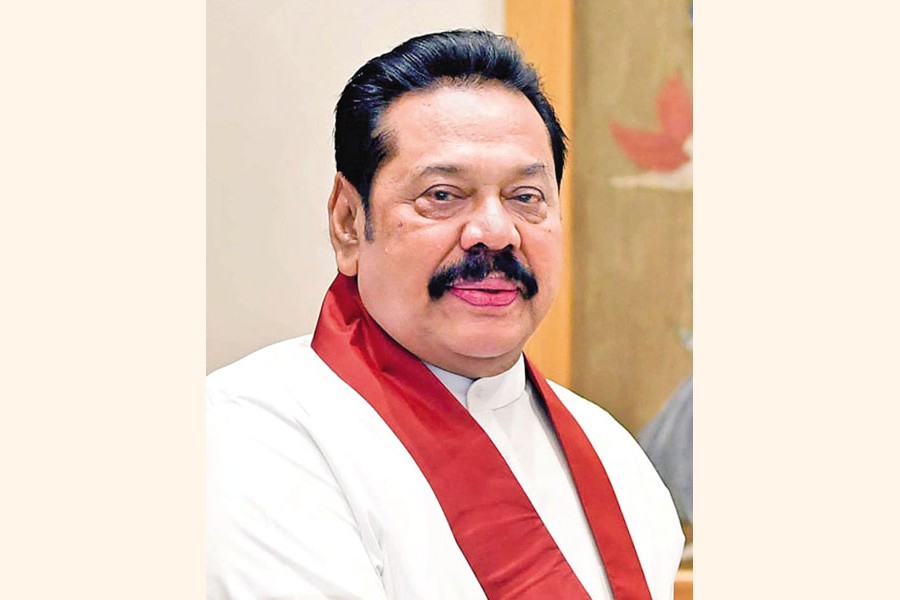
 Mahinda Rajapaksa
 COLOMBO, May 9 (Agencies): Sri Lankan Prime Minister Mahinda Rajapaksa quit on Monday after a day of violence saw three people including an MP killed and over 150 wounded as government supporters armed with sticks and clubs attacked protestors.
Lawmaker Amarakeerthi Athukorala from the ruling party shot two people -- killing a 27-year-old man -- and then himself after being surrounded by a mob of anti-government protestors outside the city, police said.
During weeks of unprecedented demonstrations, protesters across the island nation of 22 million people have demanded that President Gotabaya Rajapaksa and his elder brother, Prime Minister Mahinda Rajapaksa, quit for mishandling the economy.
In a statement, the prime minister's office said the 76-year-old veteran politician had resigned.
Mahinda Rajapaksa tendered his resignation to the president, his brother Gotabaya.
His departure came during a day of chaos and violence which culminated in police imposing a curfew across the country.
In the letter, a copy of which was seen by Reuters, the prime minister said he was quitting to help form an interim, unity government.
"Multiple stakeholders have indicated the best solution to the present crisis is the formation of an interim all-party government," the letter said.
Sri Lanka has suffered months of blackouts and dire shortages of food, fuel and medicines in its worst economic crisis since independence, sparking weeks of overwhelmingly peaceful anti-government demonstrations.
On Monday scores of Rajapaksa loyalists attacked unarmed protesters camping outside the president's office at the sea-front Galle Face promenade in downtown Colombo since April 9, AFP reporters said.
The violence began after several thousand supporters of the prime minister, brought in buses from rural areas, poured out of his nearby official residence.
Rajapaksa had addressed some 3,000 supporters at his house and pledged he would "protect the interests of the nation."
The supporters then initially pulled down tents of protesters in front of the prime minister's Temple Trees residence and torched anti-government banners and placards.
They then marched to the nearby promenade and began destroying other tents set up by the "Gota go home" campaign that demands the president step down. Police fired tear gas and water cannon and declared an immediate curfew in Colombo which was later widened to include the entire South Asian island nation of 22 million people.
Over 150 injured people were hospitalised, Colombo National Hospital spokesman Pushpa Soysa told AFP.
Officials said the army riot squad was called in to reinforce police. Soldiers have been deployed throughout the crisis to protect deliveries of fuel and other essentials but until now not to prevent clashes.
The US ambassador to Sri Lanka said Washington condemned "the violence against peaceful protestors today, and call(s) on the government to conduct a full investigation, including the arrest & prosecution of anyone who incited violence".
"Our sympathies are with those injured today and we urge calm and restraint across the island," Julie Chung tweeted.
Opposition MP Sajith Premadasa tried to move into the area after the Colombo clashes, but he came under attack from a mob and his security staff bundled him into a car and drove off.
The country's largest opposition party had said before the clashes that it would not join any government helmed by a member of the Rajapaksa clan.
The resignation of the prime minister automatically means the cabinet stands dissolved.
The violence was the worst since police shot dead one protestor and wounded 24 others blockading a railway line and a highway between Colombo and the central city of Kandy on April 19.On Friday, the government imposed a state of emergency granting the military sweeping powers to arrest and detain people after trade unions brought the country to a virtual standstill.
© 2026 - All Rights with The Financial Express

