Bangladesh Shipping Corporation (BSC) is set to acquire two modern product oil tankers, each with a capacity of 40,000-55,000 deadweight tonnes (DWT), at an estimated cost of Tk 14.66 billion, to reduce reliance on foreign vessels and strengthen fuel-import capacity.
Officials at the Planning Commission said the vessels are expected to increase the country's refined oil import capacity by 0.1 million tonnes annually, boosting the existing fleet capacity by more than 50 per cent.
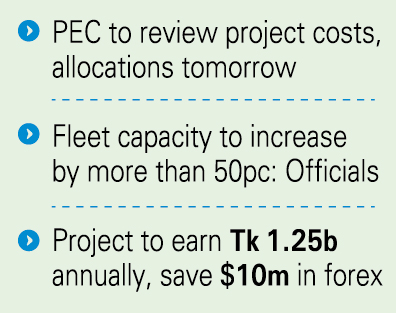 The Physical Infrastructure Division of the Planning Commission has scheduled a Project Evaluation Committee (PEC) meeting tomorrow (April 2), to be chaired by Kabir Ahamed, head of the division, to assess the project proposal.
The project is expected to generate an annual profit of Tk 1.25 billion and save around US$10 million in foreign exchange by reducing dependence on foreign vessels.
The proposed ships will also generate about Tk 400 million annually in port revenue through associated charges, according to the proposal.
A senior BSC official said these types of product oil tankers can transport almost all kinds of liquid cargo, including refined oil and light chemicals, except crude oil and heavy chemicals.
Noting that the corporation currently has only three tankers, each with a capacity of around 39,000 DWT, he said the shortage is increasing reliance on foreign-flagged commercial vessels for importing liquid fuels.
He added that acquiring the two vessels quickly would help save foreign currency.
Shipping ministry officials said the initiative stems from an interim government plan that initially proposed purchasing three ships at a cost of Tk 20.61 billion. The plan was later revised to acquire two vessels with government financing and one with BSC's own resources, considering funding constraints.
The tankers will primarily carry refined fuels such as petrol, diesel, kerosene and aviation fuel, as well as various chemicals. Given Bangladesh's dependence on imported fuel for power generation, industry, transport and aviation, the vessels are of strategic importance.
BSC currently operates only five seagoing vessels -- three product oil tankers and two bulk carriers -- despite around 90 per cent of the country's trade being conducted by sea.
Experts say at least 25-30 vessels are needed to meet national demand, but the fleet has remained limited to five ships for decades, with no vessels added between 1991 and 2018.
This shortage has increased reliance on foreign shipping companies, leading to substantial outflows of foreign currency.
The project is expected to generate Tk 1.25 billion in annual profit, provide additional government revenue from taxes, VAT and port charges, and save about $10 million in foreign exchange.
Vessel acquisition will account for the largest expense at Tk 12.99 billion, with the remaining costs allocated to management, logistics, consultancy, legal fees, bank charges and overseas travel.
Under the project, management costs are estimated at Tk 85.64 million, general supplies at Tk 84.67 million, consultancy fees at Tk 4.38 million, legal expenses at Tk 19.82 million, and bank charges at Tk 43.25 million.
The PEC meeting is expected to seek clarification on the basis of these estimates and will also ask for justification of the proposed allocation of Tk 47.18 million for overseas travel.
jahid.rn@gmail.com
© 2026 - All Rights with The Financial Express

