Mr Mahmudur Rahman loves to spend less time shopping and buying daily necessities without the stress of bargaining. He is 32 and spends a lot of his time at workstations and in traffic, so saving time and effort, retail chains become convenient for him.
The retail landscape in Bangladesh has already witnessed the shift. An era of organised retail is replacing traditional shopping patterns.
Shoppers now gravitate toward modern, multicategory chains that prioritise their needs, whether time, quality, authenticity, or a bargain. This growth is not merely about selling goods, but about selling a lifestyle that goes with modern demands.
The shift toward organised retail
Many people now prefer these spaces over traditional markets because of the air-conditioned, clean, and secure environment.
These stores act as experience centres providing more than just basic commodities.
The strategy of these chains is to remain dynamic. They constantly update their inventory to keep customers interested.
For example, Nasimul Shuvo, store-in-charge of Miniso Wari, emphasises that their primary goal is to maintain a 'happy life' product selection.
"We prioritise trendy items within affordability. This keeps footfall steady and ensures that customers find something new during each visit." Similarly, at a DIY-focused store in Dhanmondi, the store staff, Abdul Hamid, said, "The priority is to solve household challenges, providing multiple options, some with basic things, some with an aesthetic outlook. Our customers no longer want just functional tools. They want to improve their home aesthetic as well."
The economics of store expansion
Expansion is occurring rapidly across major urban centres. Retailers use smart layout strategies to encourage exploration.
A shopper might enter for a simple kitchen item but often discovers new lifestyle accessories. This creates an immersive experience that traditional shops struggle to replicate.
A young, tech-savvy population also fuels the expansion. This demographic is well-connected to global trends. They expect local retail to match international standards of presentation and service.
Another key factor is the evolution of retail management. Many chains have adopted the franchise model to reach deeper into the market. This allows them to scale operations efficiently. Digital payments and loyalty programmes are helping them retain customers despite economic pressures. By analysing purchase patterns, these retailers can predict demand and stock their shelves with exactly what the local community needs.
Changing consumer priorities
Daily needs have changed significantly for the average shopper. Bulbul Ahmed, who works at a private company, highlights that his priority is reliability. He values the consistent quality found in these chains.
He says, "I value my time. These stores help me finish my errands quickly. I know where these products come from." For him, the organised layout and fixed pricing are essential. He prefers the efficiency of these stores to the unpredictability of traditional markets. He no longer considers bargaining a priority when he can save time through a predictable shopping trip. The peace of mind that comes with knowing the price and quality beforehand is a massive draw.
Nafisa Anny, who manages her household, relies on these chains for her daily needs. She appreciates being able to procure kitchen supplies and personal care items in one location.
She notes, "I can find kitchen supplies and personal care items in the same outlet. It makes my life so much easier." For her, she no longer has to visit a wet market, a stationery shop, and a hardware store separately.
The demand of youth and their experience
Younger consumers view these stores as social hubs. They often visit to browse new arrivals or find unique gifts. Their priority is often the 'vibe' of the store.
One university student explains his motivation for visiting these centres. "I love the variety of quirky items. I can find a great gift without spending a fortune," he says.
Another youth who collects unique stationery adds, "I look for collector's edition products because they feel special. For example, I can get souvenirs of Harry Potter's or FIFA 2026 at these shops, which are authentic and not made locally. They are premium and worthy of keeping."
For the youth, these chains represent a form of expression. They connect with the brand's identity. The availability of innovative and aesthetically pleasing products allows them to showcase their personal style.
This is why brands like Mr DIY, PRAN-RFL Best Buy, Miniso and others have gained such a strong foothold.
They have transformed a routine chore into a leisure activity. Young shoppers are often the trendsetters. 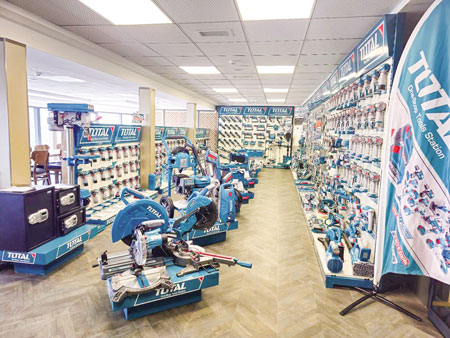 The psychology of retail design
The success of these chains lies in their sensory environment. The lighting is bright and inviting.
The music is curated to keep the shopping pace upbeat. These are not accidental choices. They are deliberate psychological tactics to make the shopper feel comfortable and inclined to stay longer.
When a store feels like a pleasant destination rather than a warehouse, customers spend more time browsing. This leads to more impulse purchases, which are the lifeblood of multicategory retail.
The staff also plays a vital role in this experience. Unlike traditional markets where the pressure to purchase is high, staff in these chains are trained to be helpful but non-intrusive.
They assist with product queries without making the customer feel cornered. This creates a stress-free environment that builds long-term loyalty.
Customers remember how a store made them feel, and this emotional connection is what keeps them coming back despite the availability of cheaper, unorganised alternatives.
The transformation is evident in how retail chains have paved the way for this segment in the past.
They introduced the concept of professional retail management to the country.
Now, newer multicategory players like Mumuso, Yoyoso, Total Pro Store and Miniso are building on that foundation. Retailers are adapting by emphasising local alternatives while maintaining the premium experience their customers expect.
The success of these chains proves that Bangladeshi consumers have moved toward a more 'sophisticated', experience-driven shopping culture. Through constant innovation, brands are adapting to these shifts. While retailers like Mr Mahmudur Rahman focus on ease of shopping, Nafisa Anny offers multiple options in one place, and modern consumers like Bulbul Ahmed actively avoid bargains. These evolving lifestyle chains are thriving, shaping the shopping culture of the urban 'middle class.'
hasan.zahidwalkingtales@gmail.com