The entrapment urban children face within the rigid four walls of their homes takes a heavy toll on their cognitive functions. Children living in cities often narrow their daily routine to one activity: watching screens. Children living in villages are not far away and spend most of their time on screens. Their parents are occupied earning bread and doing other responsibilities, so the only companions of those children are cartoons and brain-rot reels, which cause an instant dopamine crash in their sensitive brains.
As every action has an equal and opposite reaction, those children cannot function properly in neurodevelopment and behavioural development. This causes a vicious cycle of artificial mental illnesses.
Jinan, a child aged 7, is deeply addicted to screen time. The little child lives in Dhanmondi with his parents and two elder siblings, who remain busy in their own lives and thus can pay little attention to the kid.
"We are trying to hide all our smartphones and other devices to get him back to a normal life", says Jinan's mother, who is also burdened by the guilt of her skill-delayed and hyperactive son.
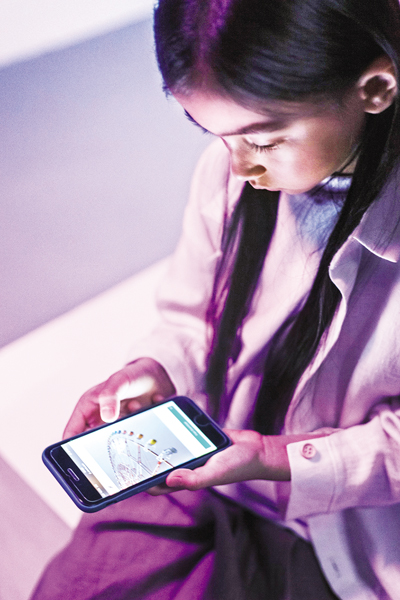
Jinan's private tutor is very patient with him, trying to refocus his attention on his studies. But the damage done over the past 7 years will take a long time to recover from. Like Jinan, many children in Dhaka and other urban settings are victims of digital infatuation.
Attention Deficit Hyperactivity Disorder (ADHD) and hyperactivity are two terms we often hear. However, we do not take much time to comprehend the dangerous effects of these on the health of our future generation.
ADHD is a psychological disorder which causes lack of attention and focus due to impaired functions and disintegration of the different parts of the brain.
Hyperactivity, too, is a subdivision of ADHD. It occurs when children are exposed to highly designed activities for the adult brain.
The reasons for ADHD include excessive watching of reels and bright-coloured animated cartoons, not giving proper attention to the children, keeping children isolated from the social environment, etc.
A study published in the Asia Pacific Journal of Surgical Advances reveals that 46.4 per cent of the children had the combined type of ADHD, with anxiety disorder (25 per cent) and learning disabilities (17.9 per cent).
The majority of children (55.7 per cent) came from low-income families. Moreover, the survey also illustrates that the children from families experiencing conflict had a higher prevalence of ADHD (28.6 per cent).
Due to ADHD, children react in a hyperactive manner, lag in studies, and can not distinguish between right and wrong. Children are bullied and maltreated in schools and social gatherings.
The children of these parents generally do not realise the consequences of their ignorance at first. When they do, it is usually too late.
It is essential to distinguish these children as individuals who need more patience to lead a healthy life, rather than isolate them as lunatics.
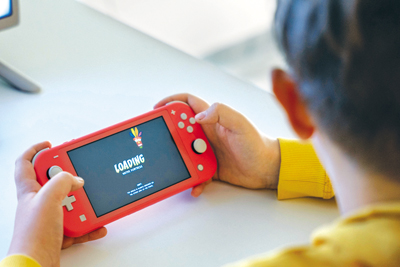
There are different approaches to dealing with ADHD; the most crucial step is to avoid screen time.
Screen time should be reduced. Different types of sensory activities, such as colouring books, puzzles, and building blocks, can help calm their brains. Dr Humayra Hridi, a popular psychiatrist practising at Life-Spring Bangladesh mental health centre, said in one of her podcasts that "A supportive family environment can act as a protective factor, reducing the visibility of problems during childhood."
Children with ADHD need teachers who can teach them with patience.
A crucial factor is the practice of hiding ADHD symptoms to appear 'normal,' driven by social pressure. This should be avoided, as ADHD becomes tougher to handle with age.
When protective factors, like a positive environment, supportive mentors, and counselling by child psychiatrists, are present in the lives of ADHD children, they may overcome early life difficulties.
Moreover, neurologists often prescribe various supplements and vitamins to support children's cognitive development, as needed. The parents should be well aware of that.
Unfortunately, there are no schools specialised for teaching hyperactive children, as this problem is mostly a problem of the digital age, often driven by broken and lower-class families. Though the whole socio-economic perspective of every suffering household cannot possibly be solved, the elders of the house should work to overcome personal difficulties for the sake of the proper mental health of their offspring.
amantuliffatfarisha@gmail.com
© 2026 - All Rights with The Financial Express

