Every day, thousands of young men weave through Dhaka's chaotic traffic on motorcycles and bicycles. They carry food orders from restaurants to doorsteps. They do it fast, in the rain, in the heat. And they do it without much protection. Behind every 'order delivered' notification on your phone is a rider who risked his safety to get there on time. But how many of us think about that?
Rakib (pseudonym) has been delivering food in Dhaka for nearly three years. He works six days a week and sometimes more. He says the job sounds simple from the outside.
"It is all about me taking the delivery and sending it to the buyer's home. That is how the company will have profit. They are not thinking about my safety," said Rakib. "I only have myself to take care of. But sometimes it is difficult because I have to take the delivery in the shortest time."
Rakib's words are not bitter. They are just honest. He knows the system. He knows what is expected. And he keeps riding anyway because he needs the income.
Many riders, like Rakib, are under 25. They come from different parts of the country. Some have families to support. Some are students earning extra money. All of them face the same pressure: deliver fast or face a penalty!
Features like 'instant delivery' and 'your riders are on the way' notifications make this easier for customers. However, the relentless pressure for speed drastically increases the risk of accidents for these riders.
Riders are always in a rush to fill up targets and sustain their job. The app tracks their location and measures their delivery time. But do the apps ask about their well-being?
To become a food delivery rider in Bangladesh, you generally need to be 18 or older and have a National ID card and a motorcycle or a bicycle, depending on the platform.
You also need a smartphone to run the delivery app. Some companies do a brief orientation for onboarding, while others do not. The entry barrier is low. That is by design, as these platforms need large numbers of riders to keep delivery times short.
The delivery companies do have insurance, but sometimes riders' applications are rejected due to 'technical errors.'
The food delivery industry in Bangladesh has grown rapidly over the last few years. According to a 2023 Statista report, the online food delivery market in Bangladesh was projected to grow at an annual rate of over 14 per cent through 2027.
More restaurants are joining platforms, and more customers are ordering from home. But the workforce that makes this possible is largely informal. Riders are classified as 'independent contractors' on most platforms.
This means they do not always receive the same protections as regular employees. There is no fixed salary, nor is there guaranteed sick leave. There is no automatic compensation for injuries sustained while on duty, though a few companies do offer it.
According to the Road Safety Foundation, motorcycles were involved in nearly 40 per cent of all road accidents in Bangladesh in 2024. That same year, over 2,600 people were killed in motorcycle-related crashes alone.
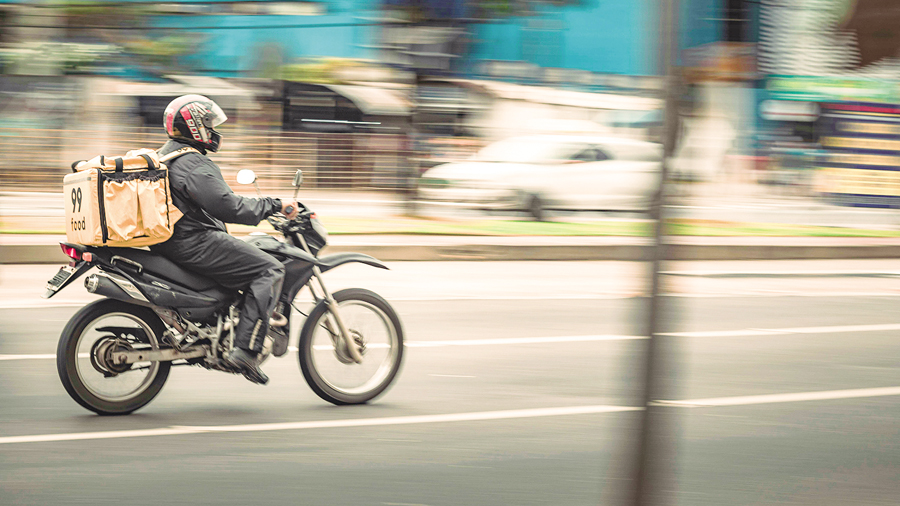
More than half of all motorcycle fatalities in Bangladesh fall within the under 30 age group, which is almost exactly the age group that makes up the bulk of food delivery riders.
These are not strangers. These are young men trying to earn a living. The road does not know the difference between a delivery deadline and a life.
Rakib said something that reflects what most riders probably feel but rarely say out loud. "I don't want something bad to happen to me on the road. I have a family to take care of. I want to go home safe at the end of the day."
Consumer demand for fast delivery is not going to slow down. That means the number of riders on the road will only grow. What needs to grow alongside it is a sense of responsibility.
Mandatory safety training before riders start working would help. A delivery time policy that does not punish riders for being cautious on dangerous roads would help. Clearer protection for workers who get injured on duty would help.
Incentives to meet tight targets or deliver faster ultimately put their lives at risk. Next time your food arrives at your door, take a moment to think about the person who brought it. Remember, the app sees a GPS coordinate, but the road sees a life.
ashfah257@gmail.com
© 2026 - All Rights with The Financial Express

