Marriage is often described as one of life's most joyful moments, a celebration of commitment, family, and new beginnings. Yet for many urban middle-class families in Dhaka and other cities across Bangladesh, weddings have increasingly become sources of financial anxiety rather than happiness.
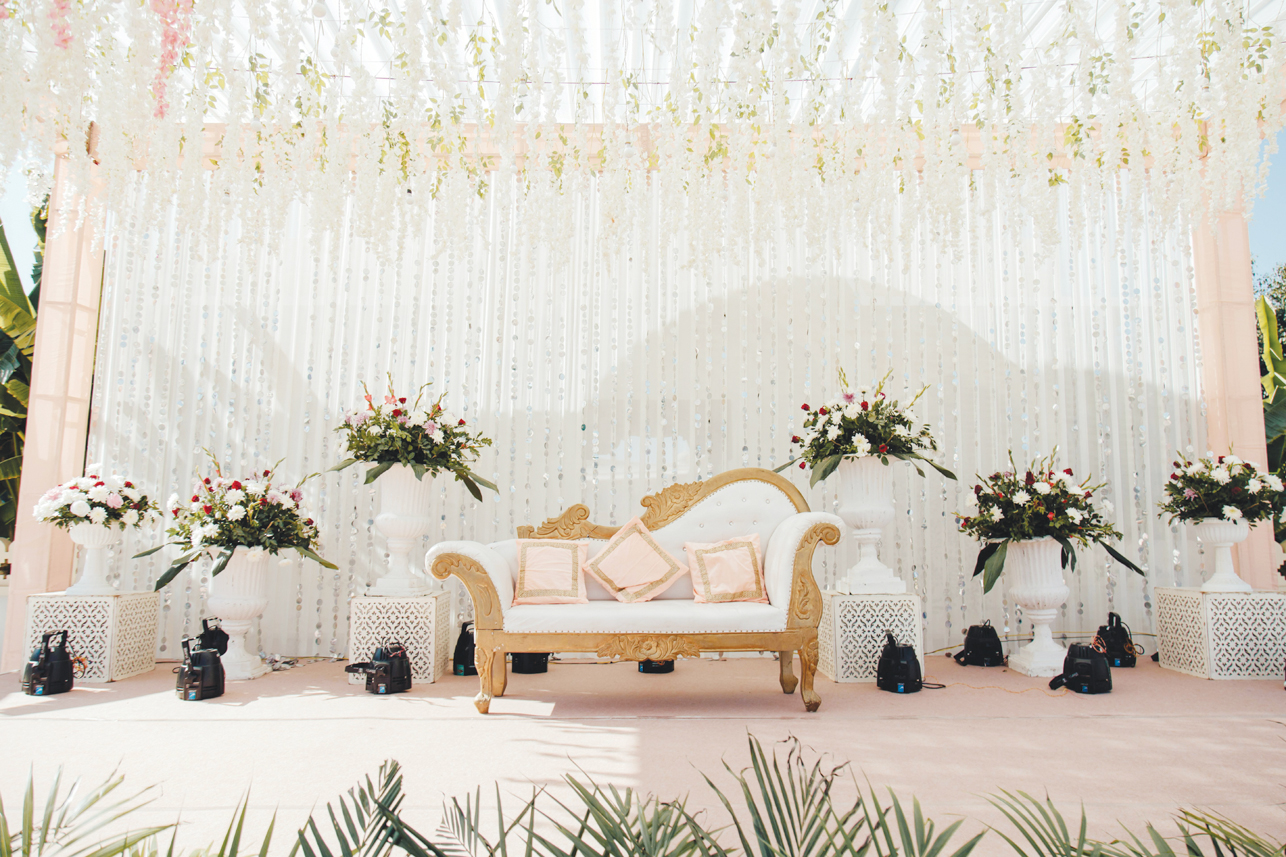
What was once a cultural and religious ceremony has evolved into a large-scale social production, complete with elaborate decorations, cinematic photography, designer clothing, and multi-day events.
Today, a 'modest' urban wedding rarely costs less than ten lakh taka, placing enormous pressure on families whose incomes have not kept pace with social expectations. For some, it takes 10-20 years to save enough money, but this huge sum is spent in a flash.
The rising cost of weddings cannot be explained solely by inflation. At the heart of the problem lies a powerful combination of status competition, social comparison, and fear of judgment.
Weddings have gradually transformed into public displays of economic capability. Families feel compelled to demonstrate their financial standing, not necessarily because they want to, but because they believe they must.
The question is no longer whether a wedding is meaningful, but whether it is impressive enough to meet social standards.
Several factors contribute to escalating expenses. Venue costs have increased dramatically, particularly for popular community centres and convention halls.
Catering remains one of the largest expenditures, with per-plate costs rising due to inflation and expectations for diverse menus.
Photography and videography have also evolved into expensive cinematic productions, often involving pre-wedding shoots and stylised editing. Bridal makeup artists, designer outfits, themed decorations, and lighting arrangements add additional costs. Jewellery, especially gold, continues to carry symbolic importance, often representing both tradition and social prestige.
In many cases, weddings now extend beyond a single event. Engagement ceremonies, haldi functions, receptions, and private photoshoots significantly increase expenses. Social media has intensified this trend. Images of extravagant weddings circulate widely, creating new benchmarks for what is considered 'normal.'
Families compare themselves with relatives, colleagues, and neighbours, reinforcing a cycle of competitive spending. To rub salt into the wounds, a new inclusion called 'Henna night' is also getting popular day by day. We are not very far from a seven-day wedding festival.
The financial consequences can be severe. Middle-class families frequently exhaust their savings to finance a wedding.
Some take personal loans, withdraw retirement funds, or sell land and assets accumulated over the years. For parents, particularly those with daughters, wedding expenses often represent the largest single financial burden of their lifetime.
Rahat Hossain, a Govt employee who recently married, described the experience candidly, "I wanted a small ceremony, but relatives kept saying people would talk if we did less. In the end, we spent more than we planned, and now we are trying to recover financially."
Similarly, Mrs. Lamia-a schoolteacher whose daughter married last year, shared, "The happiness lasted one day, but the financial stress stayed for months. We are still paying back money we borrowed."
Emotional exhaustion accompanies financial strain. Weddings, instead of being moments of joy, can become periods of tension within families. Parents worry about meeting expectations, negotiating demands, and managing logistics.
Couples often feel guilty about the burden placed on their families. In some cases, disagreements arise between relatives over guest lists, venue choices, or ceremonial details, further increasing stress.
The urban middle class suffers the most from this phenomenon because it exists in a unique economic and social position.
Wealthy families can afford lavish weddings without significant financial disruption. In contrast, lower-income families often conduct simpler ceremonies that are socially accepted within their communities.
The middle class, however, is caught between aspiration and limitation. It seeks upward mobility and social recognition but lacks the financial cushion to comfortably sustain high expenditures.
In many ways, the middle class performs a level of prosperity it does not actually possess. This phenomenon reflects broader societal pressures in which reputation and perceived status carry substantial importance. Families fear that modest weddings may be interpreted as indicators of financial weakness or lack of social standing.
Gender expectations also play a role. In traditional settings, the bride's family often assumes greater financial responsibility, particularly for jewellery and event arrangements.
Social prestige becomes tied to how well a daughter's wedding is organised. Parents may feel that a grand ceremony reflects their love and dedication, even when it strains their finances. Meanwhile, grooms may face implicit pressure to demonstrate earning potential and stability through wedding arrangements.
Despite these pressures, many individuals privately acknowledge the unsustainable nature of current trends.
Rakib Hossain, a young corporate professional, remarked, "We spent so much on the wedding that we had to delay renting a better apartment afterwards. Looking back, I wish we had prioritised our future instead." Such reflections suggest growing awareness, but social change remains slow because expectations are collective rather than individual.
Reducing wedding costs requires both practical decisions and cultural shifts. One effective approach is to limit guest lists to close family and friends rather than large social networks. Smaller gatherings not only reduce catering expenses but also create more meaningful interactions. Choosing daytime events or less expensive venues can significantly cut costs. Couples can also reconsider the need for multiple ceremonies and focus on fewer, more intimate occasions.
Jewellery purchases deserve particular attention. Rather than viewing gold as a compulsory display item, families could treat it as a financial investment purchased gradually over time. Clothing expenses can also be minimised by avoiding excessive designer purchases that are rarely reused after the event.
The most important change involves mindset. Couples who jointly plan their finances and openly discuss priorities can reduce unnecessary spending.
When families collectively support simpler weddings, social norms begin to shift. Community awareness campaigns and public discussions may normalise cost-conscious celebrations. If respected social figures and community leaders endorse simpler weddings, the stigma associated with modest ceremonies could gradually diminish. Over time, social approval may shift from extravagance toward financial prudence.
Ultimately, the purpose of a wedding is to mark the beginning of a new chapter, not to create financial vulnerability at the outset. The urban middle-class wedding crisis is therefore not merely an economic issue; it reflects collective values and social psychology.
The success of a marriage should not be measured by the size of the event or the cost of decorations, but by the strength and security of the life that follows. Until that shift happens, many middle-class families will continue to face a difficult reality that in today's urban environment, marriage has become less a celebration of love and more a test of financial endurance.
sajidahmed734@gmail.com