In recent months, Bangladesh has seen a disturbing resurgence in acts of sabotage that many had hoped belonged to the past. Ignited in the days leading up to the verdict in Sheikh Hasina's crimes against humanity trial, this surge transformed the streets of Dhaka and beyond into stages for orchestrated vandalism. As buses were torched and crude bombs were hurled, fear was deliberately reinjected into public life. The people of Bangladesh are no strangers to such sabotage during times of political upheaval. For far too long, flexing muscle for unleashing violence has been a grim staple of the nation's power struggle. Precisely because this violent assertion has persisted unchecked, society has developed an unsettling tolerance to absorb such outbursts as a routine disruption rather than condemning them as unacceptable crimes.
People today instinctively understand the choreography of political sabotage. When a political strike is announced, vehicles are often torched the afternoon before, capitalising on reduced law enforcement alertness compared to the strike day itself. Such incidents generate breaking news and fleeting public outrage then fade as the country moves on. Life continues despite the risks. Markets reopen, offices function and people step back onto the streets. This endurance, however, is born of necessity rather than indifference. Those who perpetrate these acts expect the populace to cower and bolt their doors in fear. But people have lives to live and families to sustain and a retreat behind locked doors is not an option even when venturing out exposes them to danger. In this way political rivalry has steadily spilled beyond slogans and rallies and has begun to assert itself through fear and coercion, posing a direct threat to public safety and ordinary lives.
It was this very reliance on brute force to ensure compliance that precipitated the July 2024 uprising. In those searing days of July and August, students took to the streets to voice their demands of quota reform, only to be met by a wall of state-sponsored force and coercion. Law enforcement, alongside armed groups aligned with then incumbent Awami League, launched brutal assaults that claimed at least 1,400 lives and injured some 20,000 others, according to United Nations estimates. The authorities presumed such overwhelming force would crush dissent and solidify control. They miscalculated. Rather than instilling fear, this catastrophic overreach rendered the fall of the Awami League government, in power since 2008, inevitable. July 2024 thus demonstrated not only the collapse of a government but also the collapse of the belief that force can permanently subdue society.
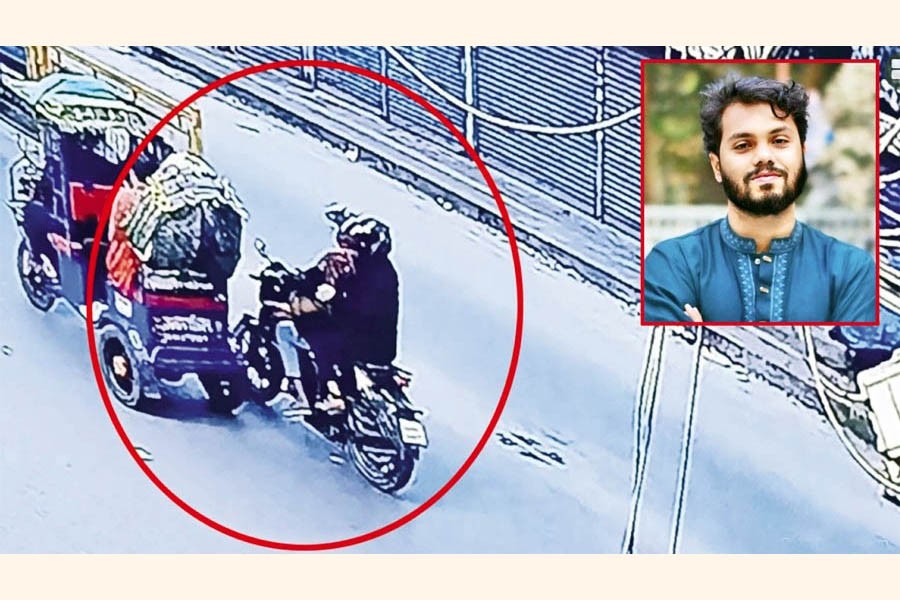
If there is one lesson that history should have embedded in political consciousness, it is that violence ultimately defeats those who rely on it. Tragically it appears this crucial lesson has not been learned. The assassination attempt on Sharif Osman Hadi has made that painfully clear. According to sources involved in the investigation, the attack was planned over several months with the intention of creating large scale instability and the perpetrators had an escape route in place, allegedly fleeing to India immediately afterward. Police sources have identified suspects with affiliations to Awami League aligned politics. While the routine politics of vehicle torching is one thing, a targeted assassination attempt, particularly if politically motivated as is suspected, is a deeply unsettling escalation. It crosses a line from intimidation into outright attempts to eliminate political rivals.
It must be emphasised that when individuals affiliated with a party attempt to kill a political opponent, that does not automatically mean the party leadership sanctioned the act. Yet this distinction offers little reassurance if parties fail to distance themselves from such crimes in unequivocal terms. Any silence or ambiguity risks dragging entire political organisations down a perilous path, rendering them increasingly irrelevant and abhorrent in the eyes of the people they aspire to lead.
The current predicament of the Awami League cannot be separated from its own history while in power. It ascended in 2009 through largely accepted elections but over the ensuing years, its governance increasingly drew accusations of vindictiveness, corruption and plunder. Its tyranny grew in direct proportion to the erosion of its popular support. The nation had once risked lives to establish a caretaker government system to safeguard democratic rights, but under Awami League rule that system was abolished which culminated in the establishment of authoritarianism. What followed were dummy elections that allowed one party to retain power while hollowing out democratic institutions. With the usurpation of voting rights came intensified repression against political opposition.
Now that the party finds itself on the other side of power, it is hardly surprising that its past actions are returning to haunt it. Its activities are banned under the Anti-Terrorism Act since May 2025, with its registration suspended pending trials related to alleged crimes including the violence of 2024. Many senior leaders have fled to India while others remain in hiding or face prosecution for their roles during the uprising. One and a half years is an exceptionally short time for any political party to engineer a comeback, particularly one burdened with such a recent and contentious record. It is therefore understandable that they will not be allowed to participate in national elections held so soon after an uprising that toppled it.
Yet politics is fluid, not static. As one of Bangladesh's historically dominant parties with a substantial base of supporters rooted in its role in the Liberation War, a pathway to eventual redemption and rehabilitation cannot be entirely ruled out. If, over time, the party were to show genuine remorse for how it governed and for the methods it used to cling to power, public attitudes might eventually soften and open doors to renewed participation. Impatience, however, or any recourse to violence would foreclose such prospects entirely. Should the party or individuals associated with it choose the path of arms and intimidation, they will permanently forfeit whatever space remains for their return to mainstream democratic politics. Even those who might advocate for inclusive reintegration would be left without defensible grounds.
Assassinations and attempted killings cross indelible red lines that no aspiring democratic force can rationalise or tolerate. Any entity seeking future relevance in Bangladesh must categorically renounce such methods, sever all connections to perpetrators and commit unequivocally to peaceful, lawful engagement or risk permanent consignment to irrelevance and the shadows they themselves cultivate.
showaib434@gmail.com
© 2026 - All Rights with The Financial Express