The Real Estate and Housing Association of Bangladesh (REHAB) has called for public-private partnership (PPP)-based affordable housing projects, long-term single-digit mortgage financing and policy reforms to revive the country's struggling real estate sector and expand home ownership for low- and middle-income families.
REHAB President Ali Afzal said the sector is under severe pressure from high lending rates, soaring construction material prices, a heavier tax burden and implementation challenges related to the Detailed Area Plan (DAP).
The proposals were presented to the Prime Minister at a recent meeting, Mr Afzal told The Financial Express in an interview.
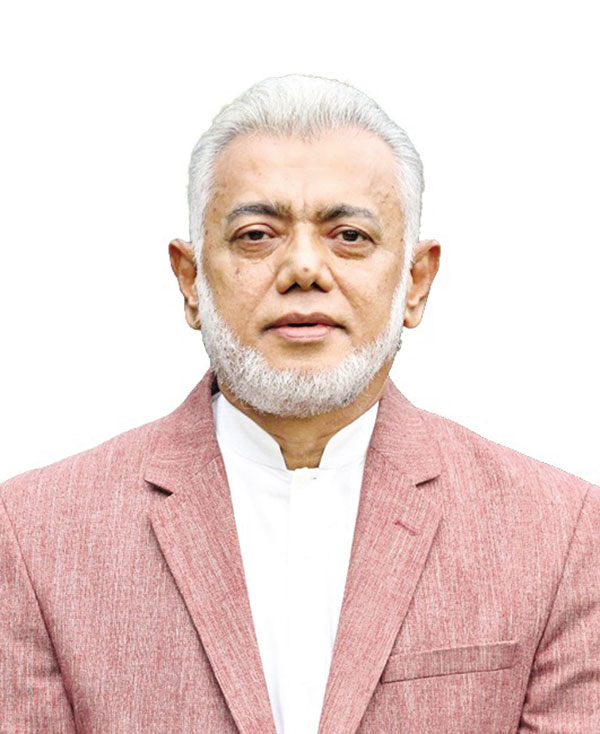 He said owning a home has become increasingly unaffordable for low- and lower-middle-income households as rising financing and construction costs continue to push apartment prices beyond their reach.
"Affordable housing cannot be ensured without stronger collaboration between the government and the private sector," Mr Afzal said, adding that PPP projects could significantly reduce housing costs while maintaining quality standards.
To improve housing affordability, REHAB has proposed introducing long-term mortgage loans at single-digit interest rates, formulating a national land zoning policy, lowering property registration costs, withdrawing the 15-per cent capital gains tax on landowners and fully digitising the building approval process.
According to Mr Afzal, apartment and plot sales have declined by nearly 40 per cent over the past few years, while fresh investment has also fallen sharply due to rising construction costs, expensive bank borrowing, tax pressures and regulatory bottlenecks.
He said the slowdown has spread well beyond real estate, affecting around 270 backward-linkage industries, including cement, steel, tiles, sanitary ware and other construction-related businesses.
While reaffirming REHAB's support for planned urbanisation, Mr Afzal said several DAP provisions have made project implementation unnecessarily difficult.
"We support planned urban development, but lengthy approval procedures and some restrictions on building height and land use need to be reviewed in line with market realities," he said. "A more practical approach will facilitate investment without compromising planned urbanisation."
He also urged reforms to the property tax regime, noting that Bangladesh has one of the highest property registration costs in Asia. Combined with affordable long-term housing finance, lower transaction costs would make home ownership more accessible to middle-income families and stimulate demand in the housing market.
Mr Afzal also emphasised the need for decentralised urbanisation to ease pressure on Dhaka. Planned satellite towns, supported by expanding infrastructure such as metro rail and expressways, could drive balanced urban growth and improve living standards, he said.
Looking ahead, he said future housing developments should prioritise energy efficiency and environmental sustainability through wider use of solar power, rainwater harvesting, green construction materials and planned community-based housing. He also identified non-resident Bangladeshis as a potential source of investment for the sector.
REHAB currently has around 900 member companies. The housing sector contributes about 15 per cent to Bangladesh's gross domestic product (GDP), employs nearly five million people directly and supports around 270 linked industries.
Mr Afzal said policy reforms, affordable long-term financing and stronger public-private collaboration are essential to revitalise the housing sector, boost investment and employment, and make quality housing more affordable for ordinary people.
newsmanjasi@gmail.com
© 2026 - All Rights with The Financial Express

