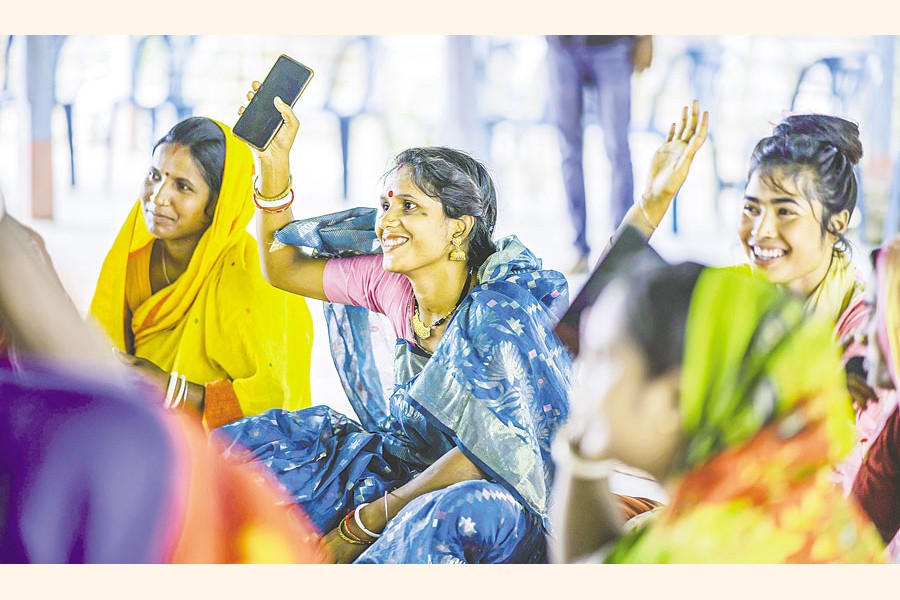
In a rapidly digitizing world, access to technology and digital literacy has become indispensable, yet for millions in marginalized communities, these remain inaccessible luxuries. In response to this pressing challenge, Grameenphone, in partnership with Plan International Bangladesh and Telenor, has undertaken a transformative initiative that is reshaping lives and communities across Bangladesh.
This commitment to inclusivity was showcased during a learning and sharing session at GPHouse in Dhaka, where the organizations celebrated the remarkable achievements of the "Safe Digital Space for Girls and Youth (SDSGY)" project. Launched to foster digital inclusion, the project has reached 2.9 million individuals across eight underprivileged communities, equipping them with digital skills and awareness of online safety, while addressing structural barriers that have long excluded them from the digital age.
The SDSGY initiative goes beyond teaching technological skills-it builds confidence, fosters a sense of belonging, and opens up new opportunities for groups traditionally left behind. With a special emphasis on women and youth, the project aims to create a more inclusive and secure digital future, aligning with Grameenphone's mission to bridge the digital divide.
During the event, Tanveer Mohammad, Chief Corporate Affairs Officer of Grameenphone, welcomed participants and highlighted the company's commitment to empowering communities through technology. Presentations by project leaders, including Anjum Rasna Hasan of Grameenphone and Khurshid Ara of Plan International Bangladesh, detailed how the initiative is transforming lives, one digital skill at a time.
The event was enriched by the presence of prominent guests, including Md. Aminul Haque, Vice Chairman of the Bangladesh Telecommunication Regulatory Commission, and Kazi Moklesur Rahman, Joint Secretary of the Ministry of Youth and Sports, alongside other distinguished participants. Their presence underscored the collective effort needed to create an inclusive digital ecosystem.
Among the most compelling moments of the event were the personal stories shared by project beneficiaries, who described how the SDSGY project had transformed their lives.
Brishti Goala, a young woman from Lakkatura Tea Garden in Sylhet, recounted how she learned to shop online and access government services through the program. Brimming with enthusiasm, she expressed gratitude for the newfound skills that had empowered her to participate more fully in society.
Niyasha Chowdhury Mim, a 23-year-old transgender woman from Narayanganj, shared the immense challenges she has faced, including societal bullying and exclusion. Through the SDSGY project, she found a space to learn and grow, equipping herself with digital skills that have opened up opportunities she never thought possible. Her voice resonated with hope as she called for similar initiatives to support others in the transgender community.
For Atikur Rahman, a hearing- and speech-impaired individual from Rajshahi, the project provided tools to navigate the digital world more effectively. He explained how the training had helped him manage his daily life more efficiently, allowing him to communicate and access information in ways that were previously unimaginable.
Khushi, a survivor of child marriage from Lalmonirhat, described how she had been trained in e-commerce through the program. Using these skills, she launched an online clothing business, which has since flourished. Her journey from adversity to success stood as a testament to the power of digital inclusion to change lives.
Sheema Akhter Smriti from Gaibandha, a cancer survivor who had spent countless hours on social media without direction, discovered through the project how to use her time meaningfully. Learning about online safety and bullying gave her a new sense of purpose, which she credited to Grameenphone and Plan International Bangladesh.
These stories are not isolated incidents but examples of how digital empowerment can uplift entire communities. Grameenphone CEO Yasir Azman emphasized this in his remarks, stating, "Grameenphone is committed to creating a digitally inclusive Bangladesh. This initiative bridges gaps in digital literacy, fosters online safety, and unlocks new opportunities for marginalized groups, especially women and youth."
Kabita Bose, Country Director of Plan International Bangladesh, echoed these sentiments, asserting, "Digital skills are essential for empowering young people, particularly girls, to thrive in today's world. This project is not just about access; it's about equipping individuals with resources and knowledge to leverage the digital space safely and effectively."
The SDSGY project represents a significant step towards achieving digital equality. By fostering collaboration among corporate, governmental, and non-governmental entities, the initiative has created a ripple effect, helping millions of people transcend barriers and embrace the digital world with confidence and security.
As technology continues to shape modern life, projects like SDSGY stand as powerful reminders of its potential to bridge divides and create opportunities for everyone, regardless of their background. With Grameenphone and Plan International Bangladesh leading the way, the dream of a truly inclusive digital future feels closer than ever.
© 2026 - All Rights with The Financial Express

