LOS ANGELES/MONTREAL, April 10 (Reuters): Some shippers caught between high jet fuel prices and congestion in vital Middle East waterways are now looking for transport routes in unexpected places, with a recent ceasefire between Iran and the United States unlikely to offer quick relief.
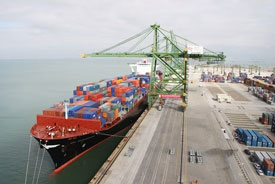 Clients that once moved electronics and other fast-selling consumer products from Asia to Europe through Middle East hubs are now going so far as to transport their goods by ship and plane via Los Angeles to secure lower rates, one US freight forwarder said.
"It's a lot faster than going by ocean around (the southern tip of Africa), but much, much cheaper than doing air direct," Flexport CEO Ryan Petersen said.
The cost to ship air cargo has soared due to strong demand and high jet fuel ?prices in the wake of Iran's continued blockage of the vital Strait of Hormuz shipping corridor.
According to WorldACD Market Data, air cargo capacity to the Middle East has shrunk by more than 50 per cent on an annual basis over the last two weeks.
Meanwhile, air cargo rates on long-term contracts from Vietnam to Europe have almost doubled to $6.27 per kilogram, compared with before the war, Flexport said.
By contrast, rates for Los Angeles to Paris air cargo are up only 8 per cent as airlines add more passenger flights due to strong demand, opening up belly capacity for cargo.
"We could see a bump if trade disruptions persist in the Middle East," said Noel Hacegaba, CEO of the Port of Long Beach, which is part of the busiest US seaport complex in Los Angeles.
Global air cargo capacity, once expected to grow by 5.5 per cent this year, has so far fallen 1 per cent due to the Iran conflict that started in late February, said Marco Bloemen, managing director of consulting firm Aevean.
How the year turns out will depend in part on the restoration of the major Gulf carriers' widebody passenger aircraft, which account for roughly half of the region's air cargo capacity, he said.
Niall van de Wouw, chief air freight officer at transportation pricing platform Xeneta, said a delayed recovery in tourism to the Gulf after the fighting ends could lead carriers to cut passenger capacity, which would impact air cargo.
"Gulf carriers such as Emirates and Qatar Airways operate some of the world's most important air freight networks," he said.
© 2026 - All Rights with The Financial Express

