 Ismail Hossain
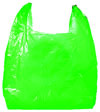
Polythene-made shopping bags, responsible for environmental pollution, have made a strong comeback in the city markets.
Production and marketing of banned polythene bags are now going on unabated, due to lack of proper monitoring by the authorities concerned.
Around 300-350 factories are manufacturing polythene bags in Dhaka. Chawkbazar, Moulvibazar and Begumbazar are the major polythene wholesale markets in the city.
Users and environmentalists have also blamed absence of cost-effective environment-friendly alternatives as well as inadequate drive against polythene bag manufacturing for the situation.
"How will I carry items like vegetables, meat, fish and fruit from kitchen markets without polythene shopping bags? We never buy these bags, rather salesmen provide these free of cost with almost all items," said a housewife at Hatirpool kitchen market.
However, a salesman at the market told the FE that customers come empty handed to shops. After purchasing groceries they want polythene bags to carry those.
About the ban, he said he has never heard of such a ban, and all are buying and selling polythene shopping bags in every kitchen market.
Abu Naser Khan of Poribesh Bachao Andolon, an environmentalist organization, said from kitchen markets to shopping malls, polythene bags are available everywhere, as the government has failed to provide any suitable alternative to consumers.
"Indiscriminate dumping of polythene bags everywhere creates water-logging and reduces fertility of soil, while burning of the item causes environment pollution in different ways," he said.
According to the Bangladesh Environment Conservation Act 1995, there is a complete ban on production, import, marketing, sales, display, storing, distribution, transportation and use of polythene with thickness less than 55 micron for business purposes.
However, use of polythene with approved thickness is allowed for a few specific purposes.
Anyone violating the law might face highest ten years' rigorous imprisonment or a fine up to Taka 1 million or both the punishments, the Department of Environment (DoE) officials said.
But the DoE cannot conduct anti-polythene drives frequently due to lack of sufficient manpower and own magistrate, they said.
Dhaka regional director of DoE Md. Towfiqul Arif said, "We will soon start drive in markets and against factories to stop manufacture and sale of polythene bags."
He also said the department is trying to employ magistrates for the drive, as it does not have magistrate at present.
The environmentalists said a few initiatives were taken to implement the ban imposed on polythene in January 2002.
In January 2010, DoE allowed partial use of polythene bags for transporting fish fries, preserving mushrooms and packaging food items.
They said DoE conducts drives and realizes fines from some accused people. But these infrequent drives have proved ineffective to check production, marketing and sales of these bags.
Bangladesh Jute Mills Corporation (BJMC) officials said production of jute bags, an environment-friendly alternative to polythene bags, is costlier than polythene bags.
They said a jute bag costs Tk 8-10, whereas people can get polythene bags free of cost from vendors when they buy any grocery item.
© 2026 - All Rights with The Financial Express

